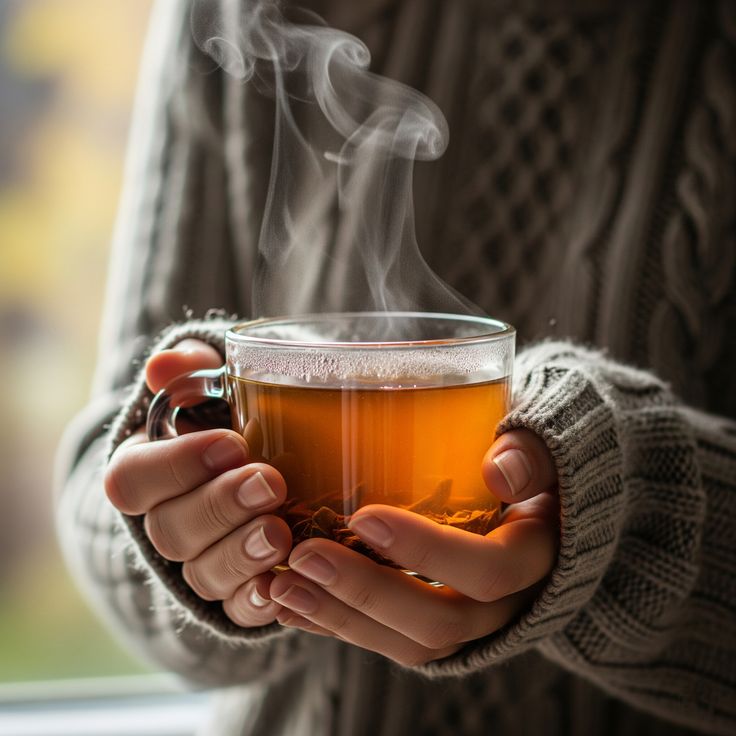
Chamomile
Dried Matricaria flowers with a mild, apple-like aroma. Typically steeped at 90–95°C for 5–7 minutes. Pairs well with lavender and honey.
A structured guide to the plants, flowers, and roots commonly used in home herbal infusions. This educational resource describes characteristics and preparation notes — not health effects.
Find Matching Recipes
Each entry below describes typical flavour notes, common origins, and suggested steeping parameters for home preparation.
Dried Matricaria flowers with a mild, apple-like aroma. Typically steeped at 90–95°C for 5–7 minutes. Pairs well with lavender and honey.
Mentha piperita leaves with a crisp, cooling character. Best prepared at 85–90°C for 4–6 minutes. Complements lemongrass and ginger.
Aspalathus linearis needles with a naturally sweet, earthy profile. Steep at full boil for 5–8 minutes. Holds up well to longer infusion times.
Cymbopogon citratus stalks with bright citrus undertones. Requires 95°C water and 7–10 minutes for full flavour extraction.
Zingiber officinale rhizome with a warm, spicy profile. Slice thinly and simmer at 95°C for 8–12 minutes for a robust infusion.
Tilia cordata blossoms with a delicate honey-like sweetness. Steep gently at 85°C for 5 minutes to preserve subtle aromatics.
Filtered or spring water allows botanical flavours to express themselves without interference from chlorine or heavy mineral deposits. We recommend letting boiled water rest for 30 seconds before pouring over delicate flowers.
Store dried ingredients in airtight containers away from direct sunlight and humidity. Label each jar with the purchase date and expected shelf life, which typically ranges from six to eighteen months depending on the botanical.
A standard ratio is one teaspoon of dried botanicals per 250 ml of water. Stronger ingredients like ginger or peppermint may require less volume, while lighter flowers can tolerate slightly more.
Use a kitchen scale or standard teaspoon to portion dried ingredients. Consistent measurement leads to reproducible flavour profiles across sessions.
Refer to the botanical entry for the suggested water temperature. A simple kettle thermometer improves accuracy for delicate flowers.
Pour water over botanicals and cover the vessel to retain volatile aromatics. Set a timer according to the recipe duration.
Remove botanical matter promptly when the timer ends. Over-steeping can produce bitter or overly intense flavours in some blends.
Some botanicals, including hibiscus and rosehip, release vibrant flavours through overnight cold steeping. Use 1.5 teaspoons per 250 ml of cool filtered water.
Roots and bark release flavour more fully through a gentle simmer rather than a simple pour-over. Maintain low heat for 10–15 minutes, then strain into a pre-warmed cup.
Whole leaves and large flower heads often yield a second, lighter infusion. Add one minute to the steeping time and expect a subtler flavour profile.
Look for suppliers who provide harvest dates, origin information, and transparent drying methods. Organic certification is one indicator of quality, though not the only measure.
Avoid botanicals with visible moisture, off-odours, or signs of pest damage. Fresh dried ingredients should retain their natural colour and characteristic aroma.
Descriptions on this page reflect general botanical characteristics used in culinary and home infusion contexts. Removevital does not make health-related claims about any ingredient listed.
Browse our recipe collection to apply these botanical insights in your own kitchen, or contact us for personalized educational guidance.
Explore Recipes